
How Often Should High Schoolers Do Tutoring? Weekly Schedules That Work
Just as the tutor–student relationship is key to better math learning, the schedule matters just as much. Based on research, student feedback, and cognitive science, I analyze why a 3-day-a-week tutoring schedule helps high schoolers rebuild confidence in math.


Has your high schooler ever said this? - I'm just not a math person.
It's the math anxiety that builds up when subjects like Algebra II or Geometry come up. So, you do the smart thing and start looking for a math tutor.
Think of the once-a-week, 60-minute session. What does it usually become? Last-Minute Homework Help 📓 and No Time for Deep Learning 💭
But what if we're all focusing on the wrong things?
👉 It’s not just about who the tutor is. ❌
👉 It’s about how often your child connects with them. ✅
Key Takeaways
- The Problem: Math anxiety in high schoolers is often because of gaps in conceptual understanding, not a lack of effort.
- The Flawed Model: Research shows once-a-week tutoring session is ineffective. It fails to build logical thinking and problem-solving skills.
- The Evidence-Based Solution: Research from the NEA and the U.S. Dept. of Education shows that high-impact tutoring of 3 sessions per week is more effective
- The Why: This 3-day-per-week math tuition leverages the Spacing Effect, a cognitive principle where spreading out learning and retrieval dramatically boosts long-term memory.
The 'Right Fit' vs. the 'Right Schedule': What Students Say?
While there are no formal polls, student discussions on forums like Reddit show that preferences are highly individual and depend on two major factors: motivation and the tutor-student connection.
A tutor who is unable to boost students’ confidence or interest makes any frequency feel like too much, while a great tutor can make sessions feel valuable.
Beyond Once-a-Week: Why Experts Recommend High-Impact Tutoring?
Most of the available research on tutoring frequency is focused on a practical question: what schedule actually improves a student's grades?
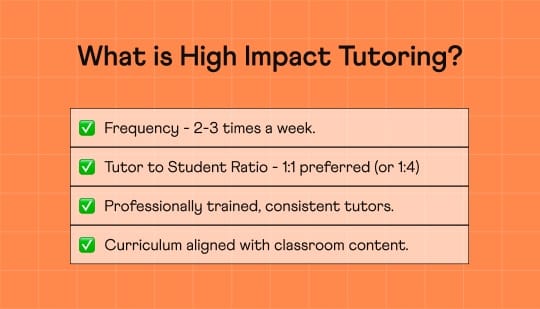
Most formal education research focuses on ‘high-impact’ or ‘high-dosage’ tutoring. This model is defined as 3 or more sessions per week.
Bridging the Gap: How Online Tutoring Makes High-Impact Schedules Possible?
This high-impact, 3x-a-week model is the clear, research-backed standard. So, why isn't every school doing it?
"The evidence is clear: high-impact tutoring works, and I've urged our nation's schools to provide every student who is struggling with extended access to an effective tutor."Secretary of Education - Miguel Cardona
The answer is a massive capacity gap.
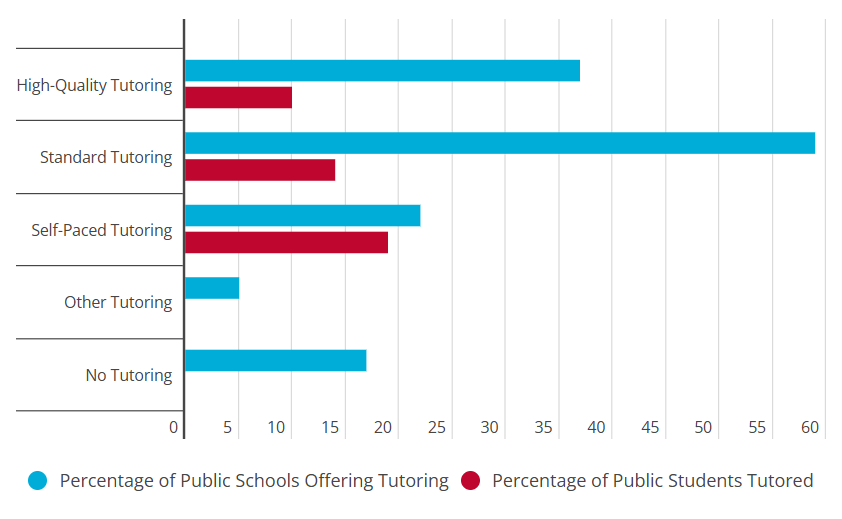
The NCES School Pulse Survey reveals a stark reality:
1. A Massive Access Problem: Only about 1 in 10 students actually receive high-dosage tutoring.
2. A Lack of Availability: Only 26% of middle and high schools even have the resources to offer this intensive model.
3. A Scaling Crisis: Nearly a third of all school leaders report they simply don't have the capacity to provide high-dosage tutoring to all students who need it.
This high-frequency schedule might seem overwhelming if you are thinking about commutes and logistics. But it's perfectly suited for the flexibility of online tutoring.
How Cuemath Makes 3x-a-Week Tutoring Engaging, Not Overwhelming?
- The 3-day-a-week tutoring is the most effective, research-backed schedule for true high school math mastery.
- But let's address the most common parental concern: Is it too much? Will my child get burned out?
- A high-frequency schedule only feels hectic or overwhelming if the sessions are generic, passive, or unproductive.
- Cuemath's live 1:1 online math classes are built to make a 3-day-a-week schedule feel engaging and efficient for your child.
Here’s how we make it work:
It’s 100% Personalized For You, Not One-Size-Fits-All
Because every Cuemath session is truly 1:1, your child gets 100% of the tutor's focus. A single 60-minute session that is built around your child and adjusts in real-time to their specific pace and needs is more productive than a 90-minute group lecture.
It’s Interactive and Engaging, Not a Boring Lecture
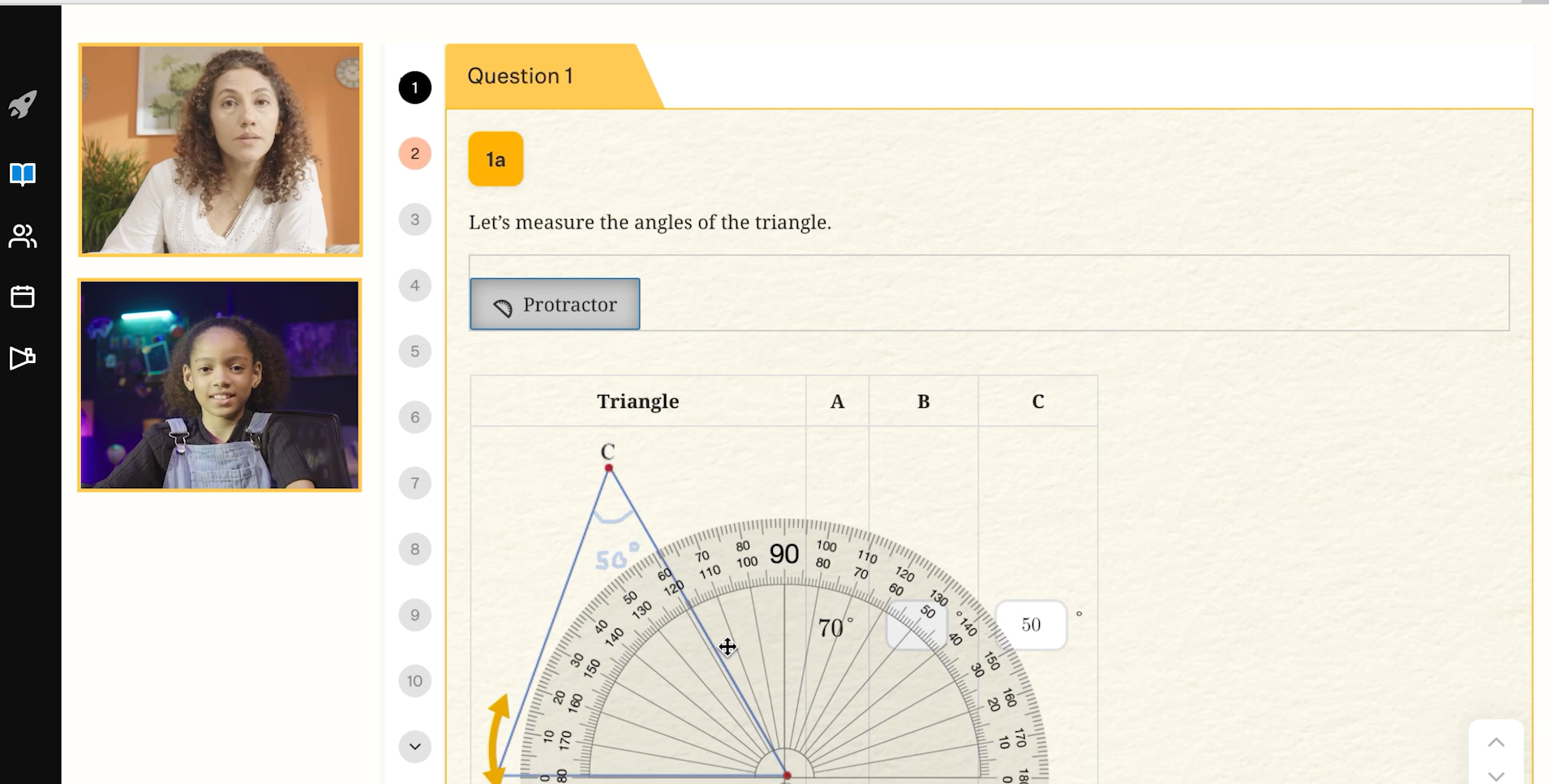
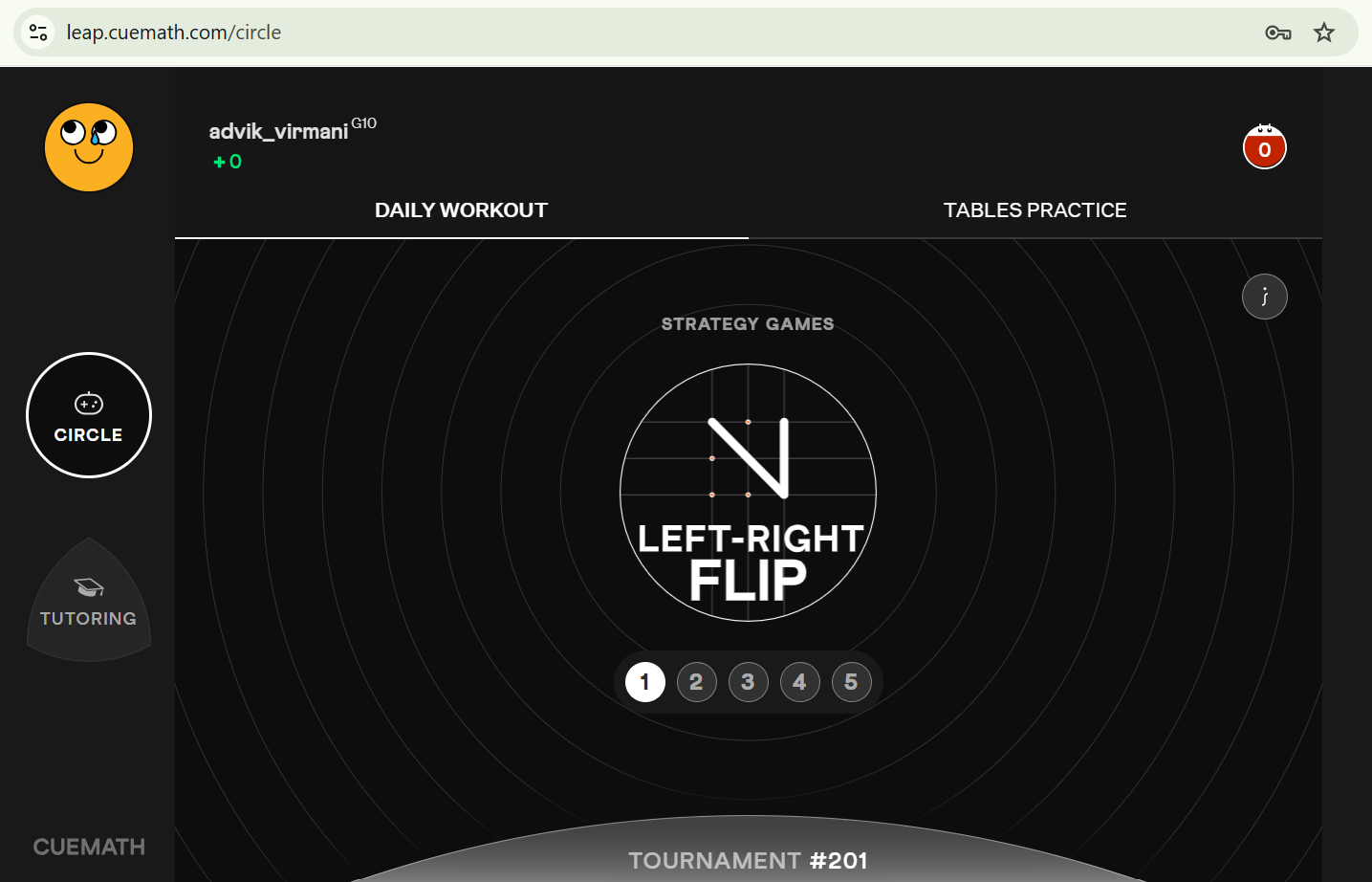
We designed a world-class, collaborative platform built for math. Students and tutors solve problems together on an interactive smart whiteboard, making concepts visual and easy to follow. With gamified rewards like stars and badges, we turn practice into play and build motivation, which is the key to consistency.
Where Hard Work Turns Into Real Results
Give your child the same structured guidance that helped thousands of students succeed. Try a FREE live Cuemath class today.
Book a Free ClassFor Students in Grades K to 12 Worldwide
Frequently Asked Questions (FAQs)
Ques: What is the best weekly tutoring schedule for a high schooler?
Ans: A high-impact tutoring schedule of ideally 3 sessions per week is the most effective, research-backed schedule for true math mastery.
Ques: Is one tutoring session per week enough?
Ans: Once a week tutoring schedule often becomes like a last-minute homework help and leaves no time for deep learning.
Ques: Won't 3 sessions a week cause burnout?
Ans: A 3-session-per-week schedule could only feel hectic or overwhelming if the sessions are generic, passive, or unproductive, such as in a group class. A 1:1 personalized and interactive program, like Cuemath, is built to feel engaging and efficient.
Ques: Which is more important: finding the 'right fit' tutor or the 'right schedule'?
Ans: The key factor is how often your child connects with the tutor. However, the two are linked; student discussions show that a tutor who can't boost confidence makes any frequency feel like too much, while a great tutor makes the sessions feel valuable.

About the Author
Nikita Joshi
Math Educator | Writer @ Cuemath
Math educator & writer by day, storyteller by night.
View My LinkedIn
Read more
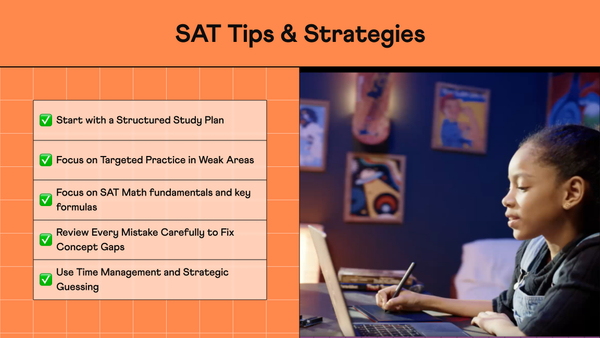
SAT Success Blueprint: 10 Strategies to Boost Your SAT Score
Learn how to ace the SAT with expert SAT prep tips. This SAT study guide explains how to study for the test, improve your SAT Math and Reading scores, and aim for a 1600 SAT score.

Cuemath Reviews: All You Need to Know in 2026
In this blog, I share various Cuemath reviews from parents and students on what they love the most about Cuemath (caring 1:1 tutors, deep understanding, and growing math confidence), along with the common questions families ask before starting.
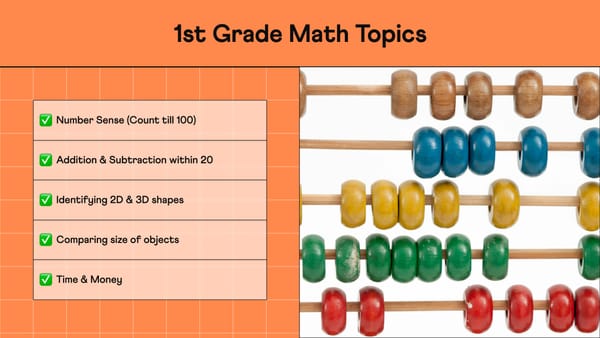
What do 1st Graders Learn in Math: 8 Core Topics
In 1st grade, math focuses on building strong foundations, not speed or memorization. In this blog, I share the core topics that every 1st grade student should know. I also share teaching approaches used by Cuemath tutors. These methods help children connect math to real life.
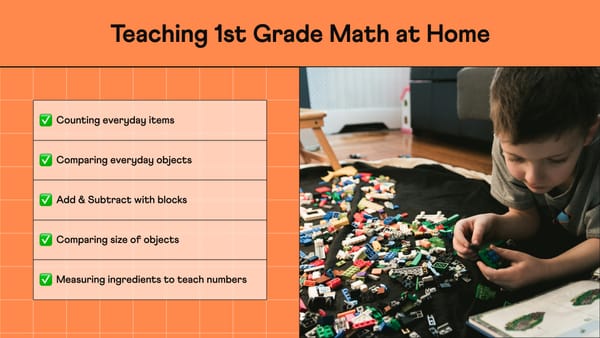
How to Teach 1st Grade Math at Home: A Practical Guide for Parents
After speaking with dozens of Cuemath tutors who teach K–2 students every day, one insight comes up again and again: parents also want to help students learn math at home, but they are unsure where to focus or how to support learning without turning home into another classroom.